The world is changing. Resources are running out. Spain is moving forward with renewable energy, and protecting nature has become a shared task. This report brings together the most relevant 2026 data on the development of renewable energy, the carbon footprint and the future of agriculture across the Iberian Peninsula.
Global warming and the carbon footprint
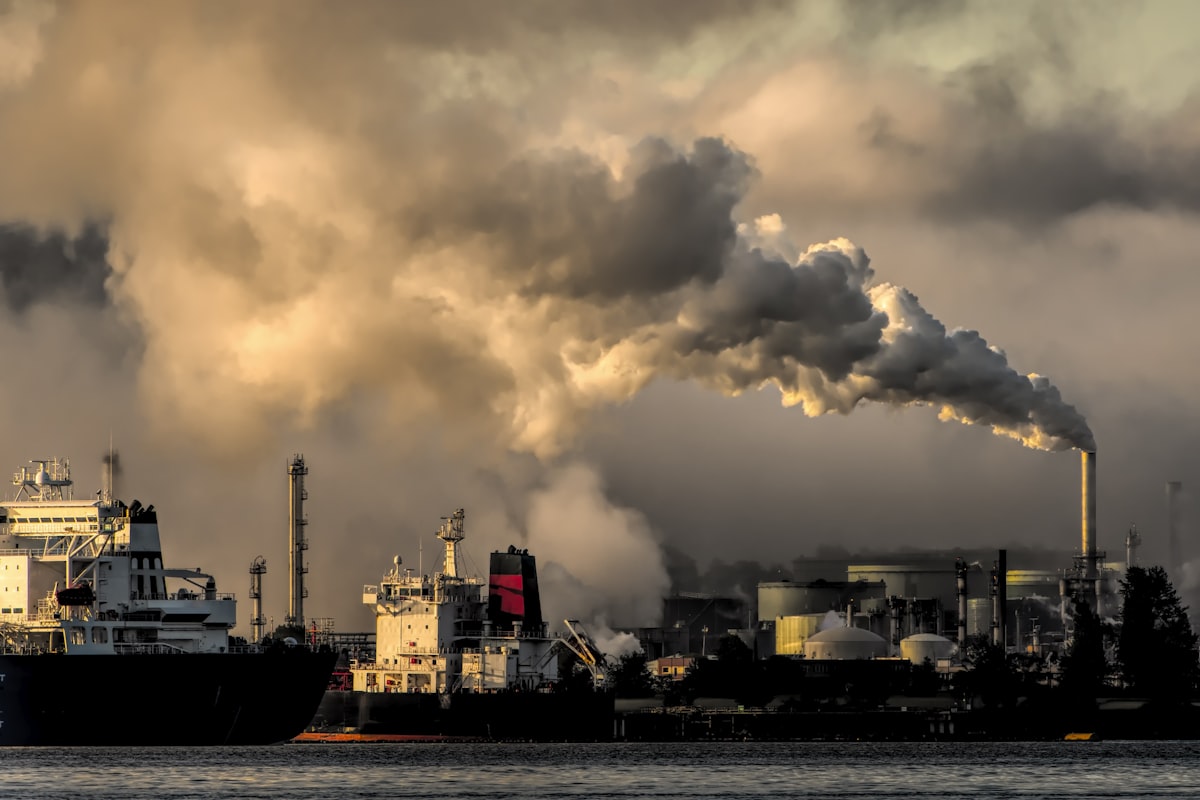
Global warming continues to shape the European scientific agenda. According to the latest public reports of the Ministry for Ecological Transition, the average temperature on the Iberian Peninsula has risen by 1.4 degrees compared with the 20th century average. This slow but steady development affects ecosystems, water cycles and the balance of Mediterranean biodiversity.
Climate protection depends to a large extent on reducing the carbon footprint. Looking towards 2030, the European Union has set the goal of cutting net emissions by 55 percent compared with 1990 levels. Spanish regional administrations work alongside civic organisations to spread good practices, educate citizens and promote responsible habits at home, in transport and in industry.
Spain's role in green energy
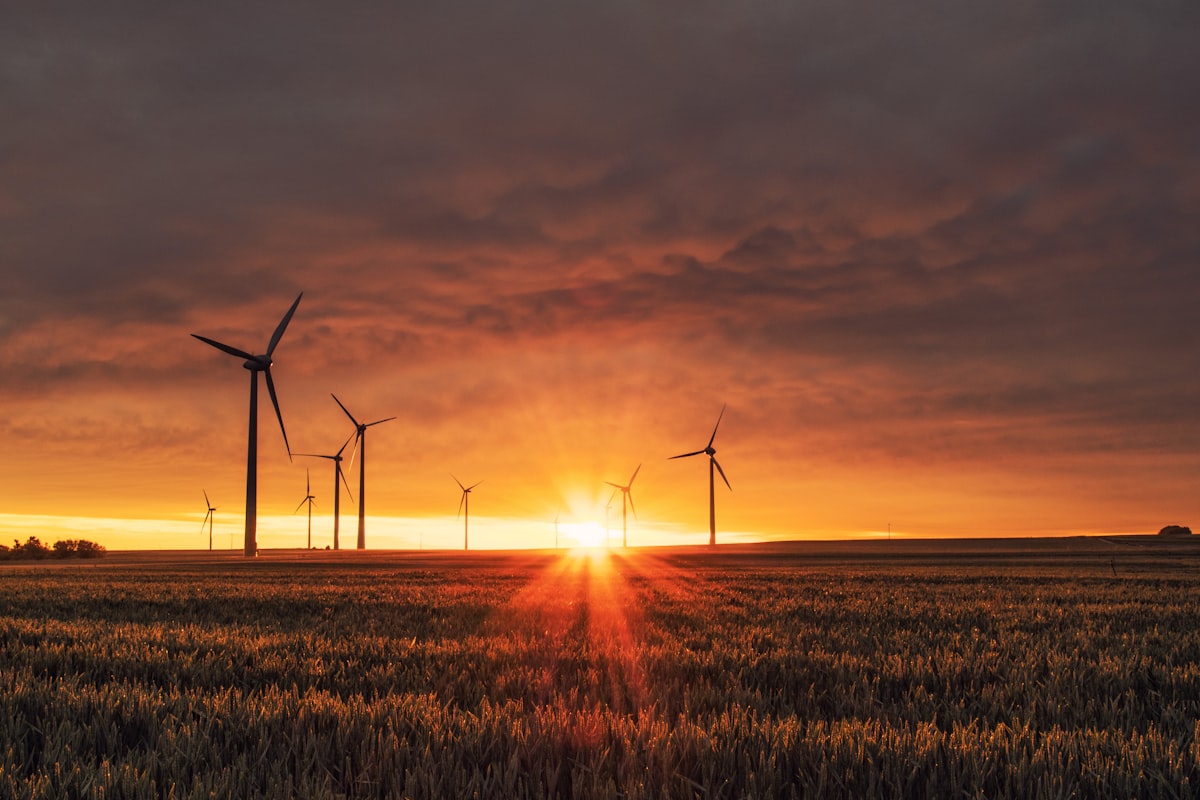
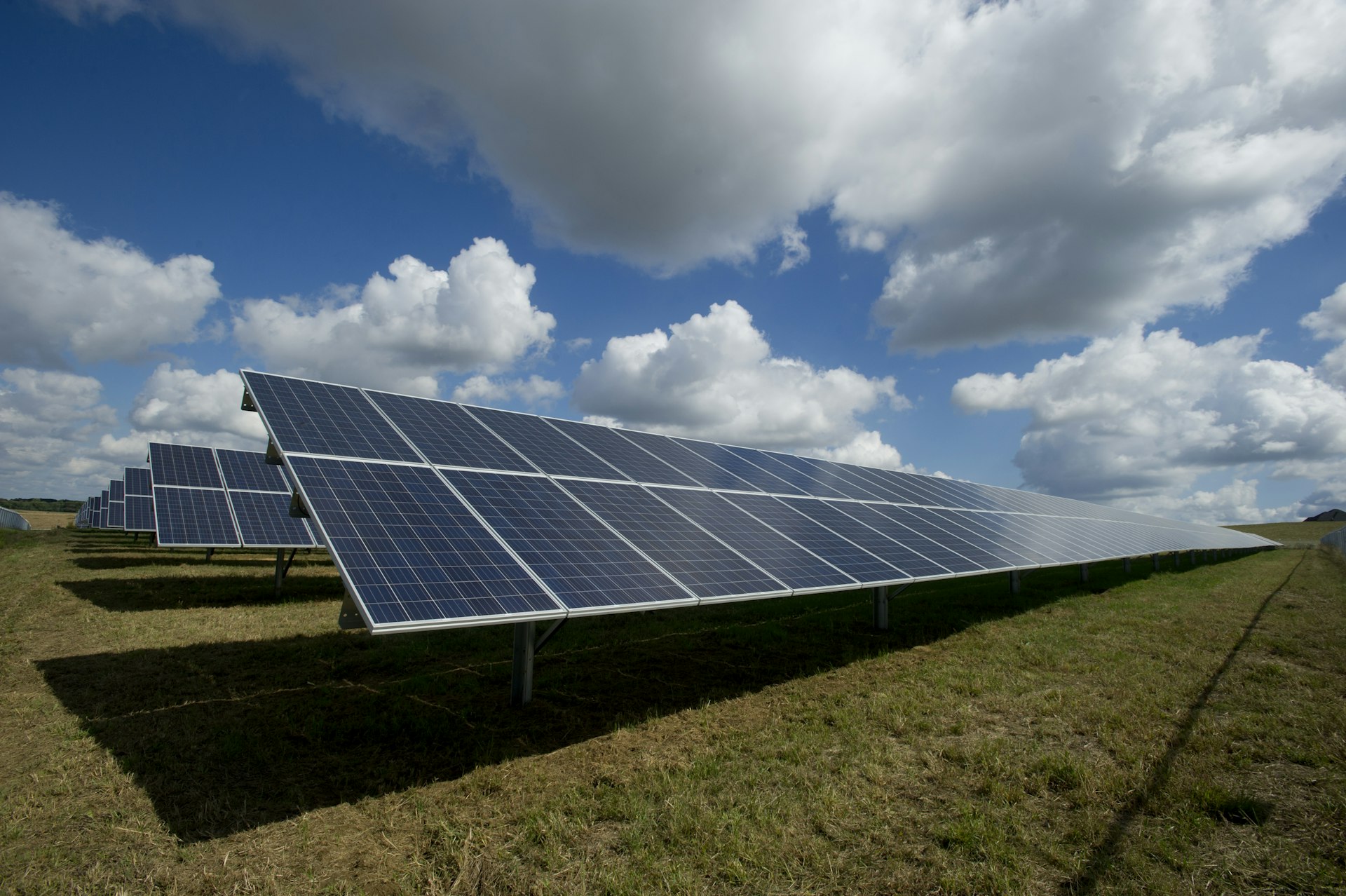
Spain holds a singular position within Europe. Long hours of sunshine, the open geography of the central plateau and the steady wind of the Atlantic coast favour the development of solar and wind power. Spanish energy companies, together with local cooperatives, installed new photovoltaic parks in Extremadura, Andalusia and Castilla-La Mancha during the past year.
The shared goal is clear: to ensure the protection of the environment while securing a stable, clean and accessible supply. This development of renewables means rural jobs, less dependence on polluting sources and a more resilient future for small inland municipalities.
The future of agriculture: smart crops
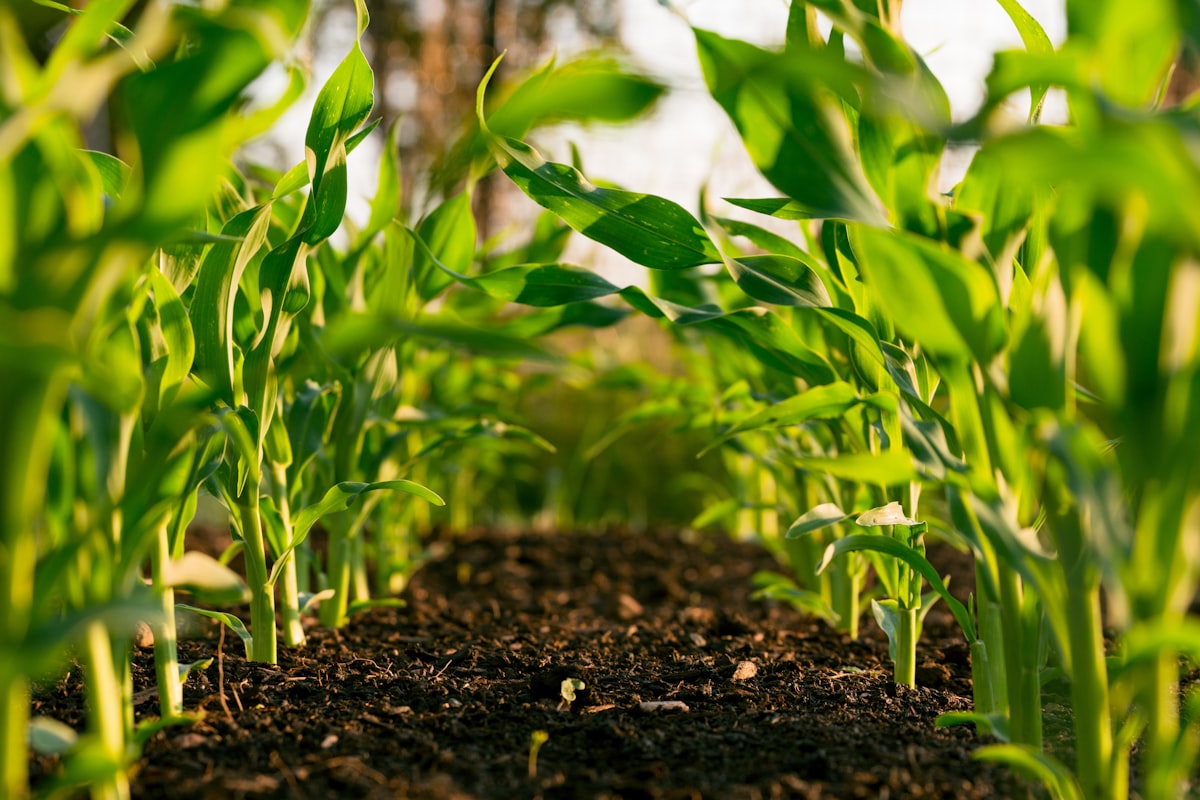
Agriculture 5.0 combines traditional knowledge with sensors, open data and regenerative practices. In southern Spain, fruit and vegetable cooperatives have adopted precision irrigation systems that cut water consumption by up to 40 percent. Soil protection, crop rotation and the responsible use of natural fertilisers strengthen the future of the countryside.
The development of this responsible agriculture depends on education, transparency and cooperation between universities, farmers and administrations. Looking towards 2030, the goal is clear: to feed people, care for the land and leave the next generations a natural heritage worthy of their history.
Looking towards 2030
Climate change does not stop with a single gesture, but it does with the sum of everyday decisions. Informing, sharing and taking part are three words that sum up the citizen's attitude in the face of the challenge. Credovestario was born with that intention: to accompany the development of a greener, stronger and more conscious Spain, where clean energy is the norm and the protection of the environment is a shared heritage.